
My Story

My journey has been shaped by curiosity, change and questions around the purpose of life. I find meaning in deep connection and sharing.
I loved research in graduate school and started my career as a market researcher. After a few years of working 60+ hours a week and meeting people across the length and breadth of India, questions around meaning and purpose began creeping up, and I moved toward studying mental health issues, leaning into spaces like resilience after childhood abuse/neglect and the unique dynamics of blended families. Though I found this work more meaningful than before, I continued to long for something more, a deeper, more meaningful space for conversation, one with real potential for change.
At this time, I had also started my own therapeutic journey, partly to deal with an anxiety that had been lurking in the background for years and had now become disruptive, and partly to answer questions about what a meaningful life would look like for me. The desire to be a counsellor had started to take root, and this is how I decided to enrol in grad school for the second time and complete my second masters, specialising in counselling psychology!
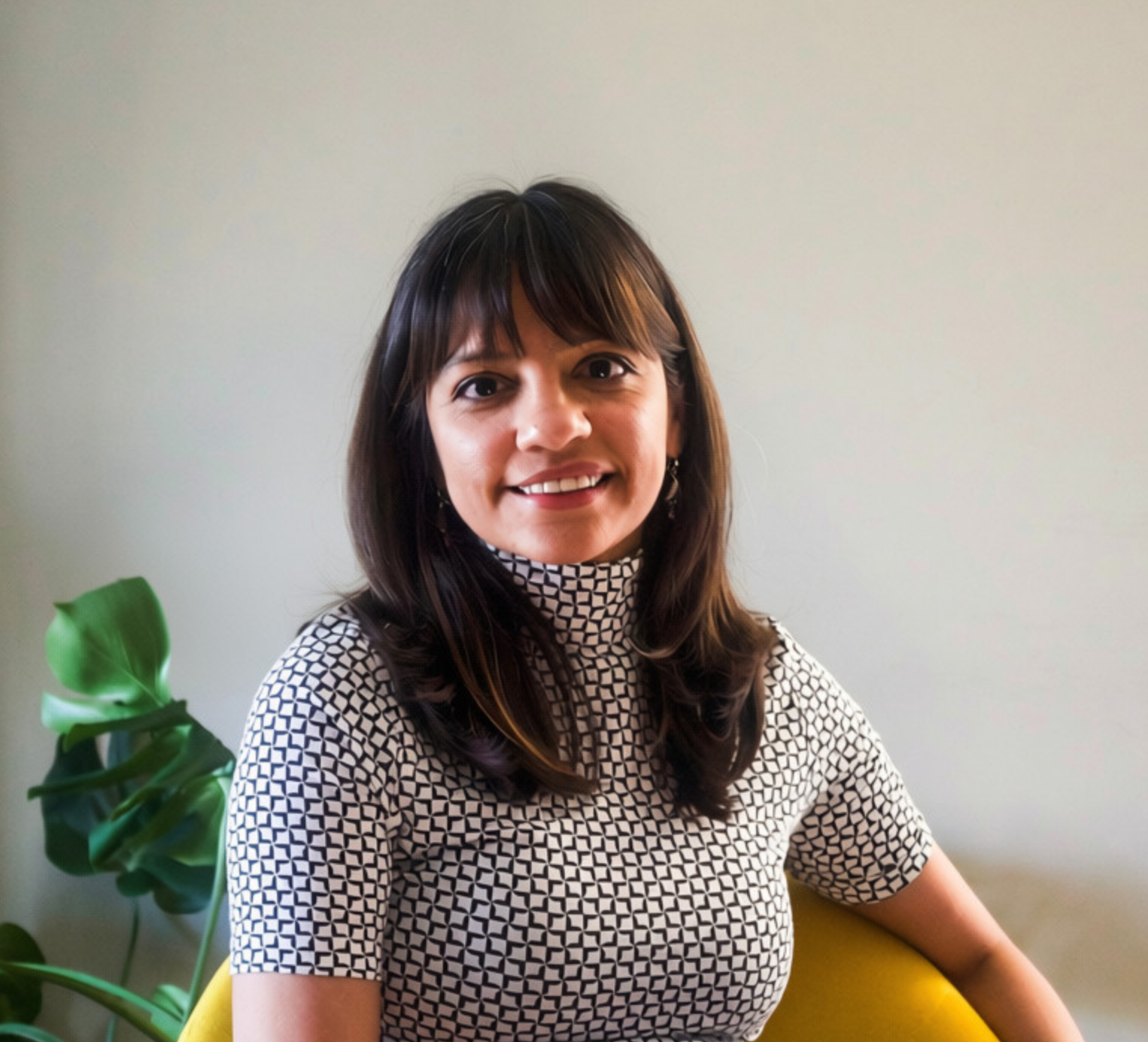
When we show up for each other, we heal. When we are kind to ourselves, we grow.
Grad school was a lot of fun and some tears (!), with an eight-month-long practicum at a community site where I worked with clients navigating challenges with anxiety, trauma, acculturation, and depression. I found many significant answers during this work, including those around purpose in my own life!
I have also worked in an outpatient substance use program, supporting clients navigating alcohol and drug use, as well as behavioural addictions like shopping, gambling, and pornography use (often understood as part of the same spectrum as substance addiction, happy to talk more about this!). Together, we worked on building emotional regulation, distress tolerance, mindfulness, and interpersonal effectiveness skills. One of the lessons that stayed with me from this work is that meaningful change is rarely just about what we want to stop doing. At some point, the more important question becomes: What do we want to move toward?
I have also been a group therapist for individuals living with PTSD for over a year, supporting clients as they processed trauma and developed coping strategies. Watching people share their stories, support one another, and find moments of hope amid pain reminded me that we can be hurting and still be helpful, struggling and still be deeply connected to others. I absolutely, thoroughly love the group process, and I can say that I have evolved as both a person and a therapist because of it!

“The only person who is educated is the one who has learned how to learn and change.”
― Carl R. Rogers
As a therapist, I am person-centred and see my role as creating a space where you can slow down, make sense of your experiences, and explore new ways of relating to yourself, others, and the world around you
I believe therapy is fundamentally relational, research consistently shows that the single most important factor in therapy's effectiveness is the relationship between client and therapist. I continue to love research, and I rely on it to inform my practice. For me, research is only meaningful once it moves beyond data into real application, and I see my role as putting that research in service of our work together.
I draw from a range of modalities, including DBT, CBT, ACT, and IFS (more on this in the next section)
As a racialized therapist myself, I find it extremely important to honour the cultural parts of who we are, and how they shape our relationships, our views of the world, and the challenges we face. I continue to deepen my education in trauma-informed practice, which I see as a necessary and ongoing part of being a therapist